What we learned building iLigtas
Notes from building a disaster-preparedness platform where the cost of a bug isn't a support ticket, it's someone not getting an alert in time.
Written by Cafton Team
Software development
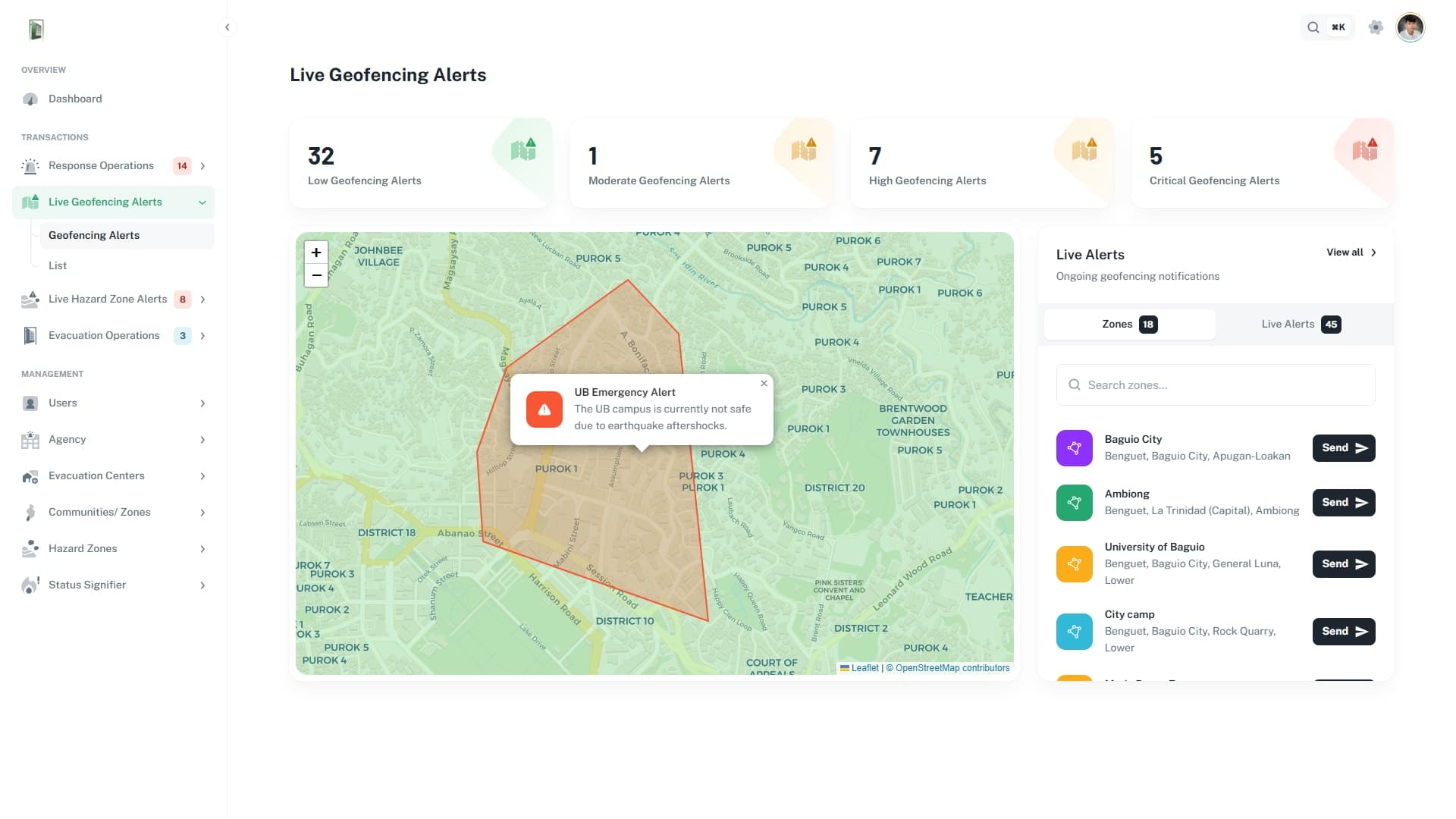
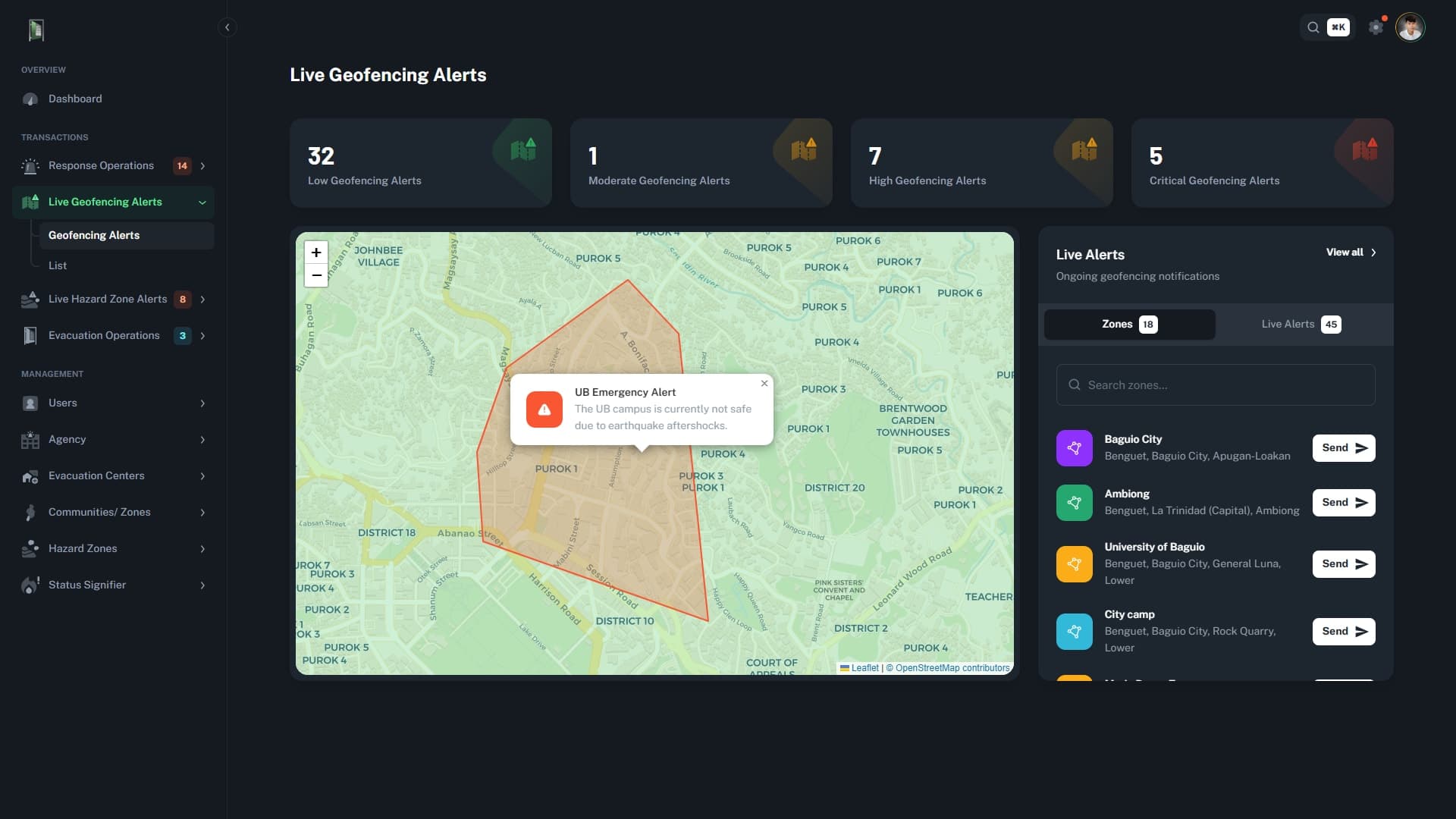
iLigtas started as a straightforward-sounding request: help coordinate emergency response and preparedness information across a region prone to earthquakes and landslides. It didn't stay straightforward for long, and that turned out to be the useful part.
The first real design decision wasn't technical. It was about who the system actually serves. A geofenced alert is only useful if it reaches someone who can act on it in the next few minutes, on a phone that might have weak signal, in a moment when they're not thinking about how to use an app. That constraint shaped almost everything downstream: how aggressively we cached data locally, how little we asked of the user interface during an active alert, and how much we tested on low-end devices rather than whatever hardware was sitting on our own desks.
Geofencing sounds simple until you're deciding what happens when a hazard zone boundary needs to update while people are already inside it, or when location data is stale because someone's phone went into battery-saver mode at exactly the wrong time. We spent more time on these edge cases than on the features that ended up in the demo, because the demo isn't what has to hold up during an actual earthquake.
On the administration side, the platform needed to be usable by people coordinating a response in real time, not just by whoever built it. That meant treating the admin dashboard as a first-class product, not an afterthought bolted onto the consumer-facing app. Response coordinators needed to draw and adjust hazard zones, push alerts, and see who's inside an affected area, all without a training session first.
The recognition the project has received (Regional Finalist at the Philippine Startup Challenge, Finalist at the Baguio Smart City Challenge) is a welcome signal, but the more useful measure has been watching real coordination teams use it and tell us what still doesn't work. That feedback loop, more than any single technical decision, is what's actually shaped the platform into something worth deploying.
Let's talk
Have a problem worth solving?
Tell us what you're trying to accomplish. We'll help you figure out what technology can do about it.
- Est. 2026
- Baguio City
- Remote, nationwide